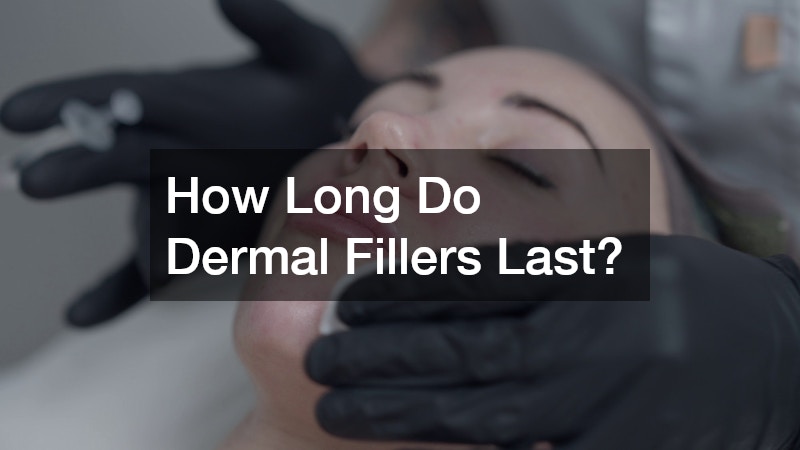
In recent years, the popularity of dermal fillers has surged, paving the way for countless people seeking non-surgical solutions to enhance their appearance. This article explores why more individuals are opting for this treatment, delving into the most common queries they have regarding this beauty trend.
What Are Dermal Fillers and How Do They Work?
Overview of Dermal Fillers
Dermal fillers are injectable substances used to restore volume, smooth lines, and enhance facial contours. They are primarily made of hyaluronic acid, which is a natural substance found in the body, contributing to the plump and hydrated look of the skin.
Various types of dermal fillers are available, including temporary and semi-permanent options tailored to different needs. These products are designed to address a variety of cosmetic concerns, from wrinkles to augmenting certain facial features.
The choice of filler depends on the desired outcome and area being treated, with each type offering unique benefits. Dermal fillers generally last between six months and two years, making them a versatile option for many.
The Process of Dermal Filler Treatment
The dermal filler procedure typically begins with an initial consultation where a qualified practitioner assesses the client’s facial structure and discusses aesthetic goals. Preparation for the treatment may include instructions to avoid certain medications or supplements that increase bruising.
The actual implantation of fillers is a relatively quick process, often involving a series of small injections under the skin. Local anesthesia may be used to ensure comfort during the procedure.
Post-treatment care is crucial to maximize the results and minimize side effects. Clients are generally advised to avoid vigorous exercise, excessive sun exposure, and facial massage for a short period following treatment.
Why Are Dermal Fillers So Popular?
Benefits of Dermal Fillers
One of the primary benefits of dermal fillers is the ability to achieve immediate results with minimal downtime, making them a convenient option for those with busy schedules. The treatments provide a significant makeover, offering satisfaction that can be subtle yet impactful.
Non-surgical and requiring no recovery time, dermal fillers attract individuals who seek quick cosmetic improvements without the risks associated with surgery. This aspect particularly appeals to those who prefer not to undergo invasive procedures.
Another compelling advantage is the boost in confidence and self-esteem that clients often experience after achieving their desired look. With results being reversible, there’s a sense of flexibility that enhances the appeal of these treatments.
Trends Driving Popularity
Societal shifts toward prioritizing personal care and presentation have fueled the rise in cosmetic treatments like dermal fillers. The advent of social media and the culture of selfies have also heightened awareness and demand for aesthetic enhancements.
Celebrity endorsements and the visibility of cosmetic procedures on popular platforms have normalized the use of dermal fillers across different demographics. As a result, more people feel encouraged to explore these options for themselves.
There is also an increased focus on facial rejuvenation at various ages, starting from early adulthood. This trend reflects a growing desire to maintain a youthful appearance and intervene preventively in the skin’s aging process.
Are Dermal Fillers Safe?
Understanding the Risks and Side Effects
While dermal fillers are generally safe when administered by experienced practitioners, they do carry some risks and potential side effects. Common side effects include swelling, bruising, and redness at the injection site, which typically subside within a few days.
In rare cases, there may be complications such as infections, lumps, or an uneven appearance, underscoring the importance of selecting a skilled professional. Following aftercare instructions diligently can minimize these risks significantly.
It is crucial for potential clients to thoroughly research and discuss any concerns with their practitioner to make informed decisions about undergoing treatment
Choosing a Qualified Practitioner
Choosing a certified and experienced practitioner is pivotal to ensuring a safe and successful dermal filler treatment. It’s recommended to verify the credentials and reputation of the practitioner, as this can significantly affect the outcome.
Clients are encouraged to schedule consultations with several providers to discuss treatment options and assess comfort levels. A trustworthy practitioner will thoroughly explain the procedure, possible side effects, and provide realistic expectations.
Building a positive relationship with the practitioner promotes confidence and helps in customizing treatments to align perfectly with the client’s needs and goals. This ensures the best possible experience with dermal fillers.
How Long Do Dermal Fillers Last?
Duration and Longevity of Fillers
The longevity of dermal fillers varies depending on the type of filler used and the area treated. On average, results can last from 6 to 18 months, after which the body naturally absorbs the material.
Factors such as the individual’s metabolic rate, lifestyle, and the specific brand of filler can influence the duration of results. Subsequently, personal consultations can provide more precise expectations.
For longer-lasting results, some clients choose maintenance treatments, which can help in preserving the desired effects over extended periods.
Maintenance and Aftercare
Maintenance of dermal fillers involves regular follow-up treatments as necessary to uphold the results. Adhering to proper aftercare instructions can play a pivotal role in enhancing the longevity of fillers.
Clients are advised to stay hydrated and protect their skin with sunscreen to extend the results. These simple steps can effectively support the health and appearance of the treated areas.
Aftercare includes avoiding certain medications and activities that could exacerbate any post-procedural side effects. Open communication with the practitioner about maintenance plans is beneficial.